Featured

Personal News Timeline

2012 – Whitney Houston’s Passing

Whitney Houston’s death occurred on February 11th, 2012 in Beverly Hills California. This was local news in the United States that singer, actress, producer, and mother had passed away. This event came to me from the television and was broadcasted all over the news channels in the United States. There was live coverage that was shown of the hotel Houston had passed away in. The news wanted the viewers to reflect on the horrible loss of a unique, and talented individual had tragically passed away. She was loved by many people for her popular appearances in famous movies and her popular music. I don’t believe there was much to learn about this in the United States, other than it was a very sad event in the celebrity world. This memory froze in my mind because my mom and I would sing her songs in the kitchen while making dinner, driving in the car, and watched her movies until we knew every word. Houston brought a connection with my mother and I, so hearing that Houston lost her life was a very sad event to hear. CNN news is international news and is public which shares current information to the media. They try to share the most recent news with credible information and sources.
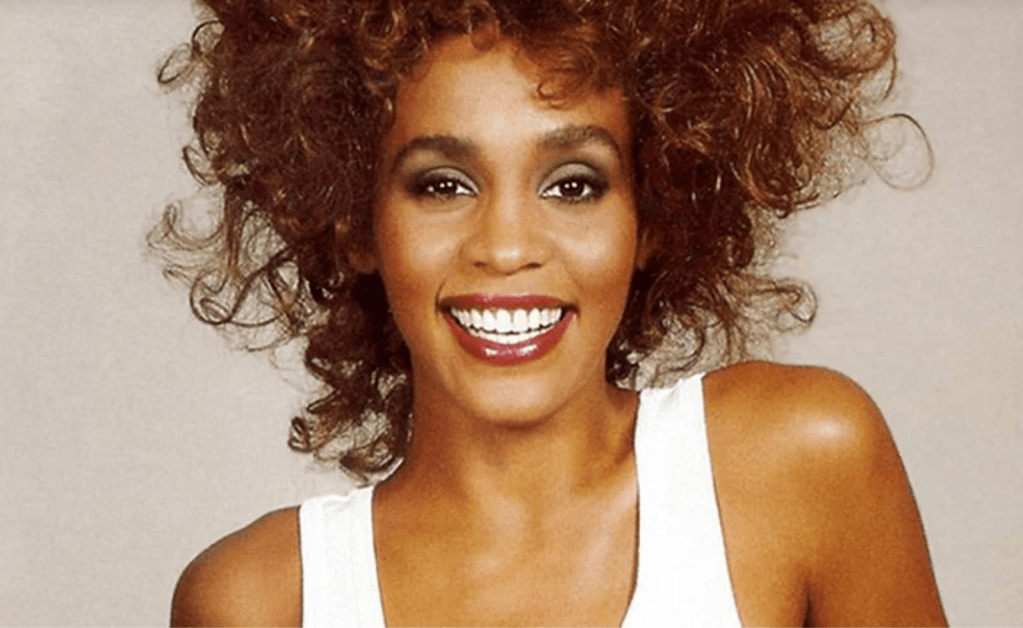
Whitney Houston – Slant Magazine

2012 – Sandy Hook Elementary School Shooting

The Sandy Hook Elementary School Shooting that occurred on December 14, 2012 in Newtown, Connecticut is a news story that is very relevant to myself. There were 26 people that lost their lives in the elementary school due to a young man, and 20 of those people being kids who attended Sandy Hook. This began as local news as it took place in the United States, but grew into international news due to the fact that is was a huge devastation. When the live news broke of the shooting it was playing on our local news channel and quickly rose on social media. The news made us reflect on all the young lives that were taken and the brave leaders in that school that also lost their lives. I believe this to be the start of reflecting on gun control in the United States. Newtown is a smaller town in Connecticut and it brought more awareness to me of where the city was located in Connecticut. I believe this event froze in time on my memory because it was the first large devastation that I can remember, and knowing it could have happened in any elementary school. CNN presents the news after the shooting had happened, giving special details of the children’s names who lost their lives. and exact times the shooting happened in the school. The news outlet media is using journalism to local news stations because they want to reveal the specific information to the audience. There were so many lives taken that would have connections to the people and they saw it fit to release that information into the news.
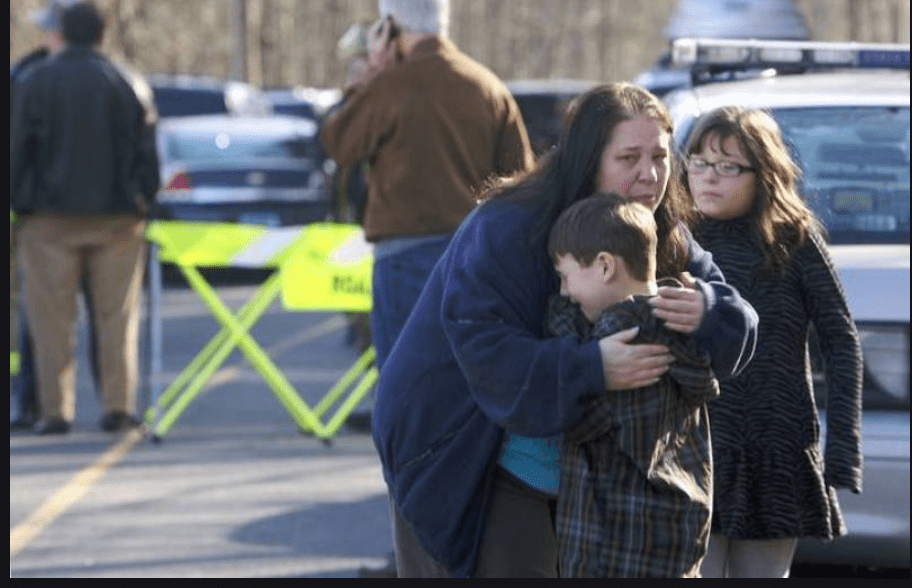
A survivor of the shooting and his mother

2016 – Presidential Election

The Presidential Election that took place in 2012 was the first time I was apart of the election and actually could grasp an understanding of what was really happening. The candidates of the election were Donald Trump who was representing the Republican party and Hillary Clinton who was representing the Democratic party. The election was international news, but it focused mainly on local news for the people who were placing a vote. The election news came everyone from Television, social media, newspaper, news channels, radio, etc. The media made me reflect on the beliefs from each candidate and how they were going to run the country as a whole if they were elected by the majority people. I learned that the country as a whole is very divided when it comes to politics. I was more involved with this election then I have been the in past, because I was more aware of what was happening so overall it brought me more knowledge about the political side of the country. I think this event froze in my mind because it was a shock to the nation. I went to bed thinking the Democratic party was going to win due to the votes that had already been casted, but I woke up to the Republican party winning the 2016 election. Donald Trump became president and to this day is still president. The New York Times research about the 2016 election was international news on public media channels. The targets they are covering is who won the election, the Senate and House votes, and also the live state results the day of voting.

Donald Trump – President of the United States of America

My personal approach to journalism according to my timeline is news journalism, which is straightforward and to the point. I was relayed the facts about these events through social media, news articles, and television. The news stories I selected portrayed cultural and generational identities. These events have made a significant impact on me in my lifetime, which was the reason I selected them. I wouldn’t say these news stories relate to the news consumer I am, but they have been important milestones in the past decade that have not only affected me but people globally.
The Future of Journalism

‘Get the story.’ ‘Tell the Story.’ ‘It’s a lead story.’ These three tools are ways of journalism, storytelling. The story is everything when journalists report, it’s all of the rites and rituals. Often time journalists find asking themselves, “is it a good story?” If it’s not a good story then why waste time on trying to make something a good story, the scoop, deadlines, headlines, accuracy, public interest, etc. There are three main aspects that are essentially “killing” off journalism which are, journalists have extended the story way beyond what it’s useful for, the extended story has become the root of the mistrust journalists face, and the internet has taught the readers that neither the other two reasons need to be factual. The internet is enabling the readers to come to their news in their way and their time.

The New York Times posted an article called “Snow Fall” and I analyzed it as a reader. John Brach, the writer, found a story, told the story, and found a lead story people will be interested in without the fabrication of the truth. He had interviewed people for his story which makes the story more personal and entertaining. Yet, the story is still truthful and trustworthy. This is an article that informs people the dangers of skiing and participating in snow sports. I think articles such as this can help reshape the future of journalism. The story is news worthy and it is truthful which journalists can learn from. Journalism doesn’t need to be this over exaggerated story, something just as simple as taking personal stories from participating in snow sports can attract people.

So the question is, what’s next for journalism? Is journalism dead? I believe journalists have lost the main idea regarding what they are suppose to be doing which is informing the public of truthful newsworthy stories. If the fabricated news stories continue, I do believe journalism is dead. The internet is such an easy way to access information and people are soon going to stop trusting what is being put out there for audiences. I believe bringing in more visual elements can help make the story more truthful for audiences. It shows proof of the story and can really help make stories more personal and less of just what people want to see. The deadlines are not an important aspect of what journalism is, yet it is presenting quality news. The future of journalism is in the hands of the current journalists, will they decide to continue what is happening or will they take it into their hands and makes changes. I guess they can decide, but for us as readers, it’s important to know what is real news and what is fake news. If we continue to support fake news, there is no option to save what we know as journalism. It’s important to continue to educate people what is fake news and real news, especially in times like these. You can’t always trust the first thing you see and education is power.

Peace Journalism

Peace journalism can be defined as shedding light onto structural and cultural cases regarding violence, which impacts the lives of people facing a conflict area as a part of violence. Peace journalism relates back to peace itself and how we would define that in our lives. Peace Journalism was started in the 1970s by the researcher of peace Johan Galtung. He said there is a bias towards violence especially when covering war and overall it can be avoided. Peace journalism can be reported about any type on conflict in the media such as religious, politics, ethnic, etc. and not just those that involve the violence. Peace journalism is proactive and gives a voice to everyone, then the solution is discussed among them. Whereas War and violence journalism gives a narrative that demonizes, spreads propaganda, reactive, and only focuses on the visible effects of violence.

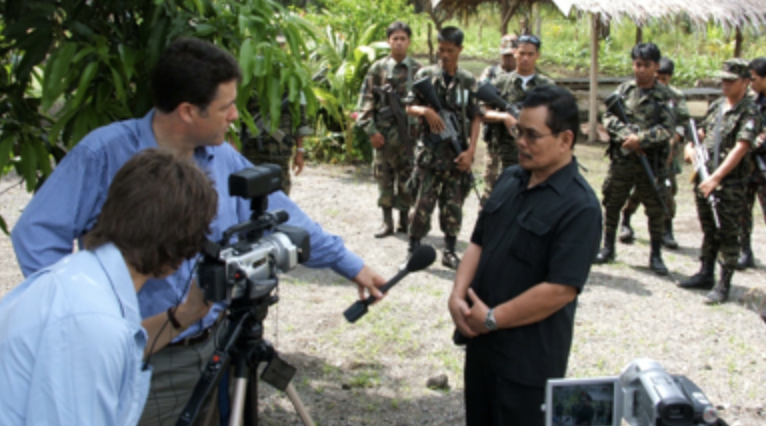
There is a chart in “Media, War & Conflict,” Yakubu Ozohu-Suleiman, last modified March 24, 2014, http://mwc.sagepub.com/contect/7/1/85 that shows the network that is reporting and what they are presenting on which shows a good visual on the peace journalism on networks overall. There are multiple types of violence but Galtung’s violence triangle that breaks it down and has a top tier that consists of direct violence and the invisible part of the triangle has cultural violence and structural violence. The direct violence is a classic form of violence and involved the use of physical force where the structural violence refers to a form of violence where social structure or social institution may harm people by not allowing them to meet their basic needs and example of this would be poverty. Cultural violence has become a very common occurrence in society that they appear almost invisible. Cultural violence refers to the aspects of a culture that can be used to justify the direct or structural violence and an example of this is access to health care. “The Peace Journalism Option”, Lynch, J., 1998. Taplow, UK, Conflict and Peace Forums said, “Peace Journalism is when editors and reporters make choices – of what stories to report, and how to report them – which create opportunities for society at large to consider and to value non-violent responses to conflict.” I think this not only relates to peace journalism, but journalism as a whole. Journalists find different stories to report, but they all report them in different ways which also leads to the result of fake news. Some of the journalists want to report something entertaining which at times bends the truth behind the stories. In this case, peace journalism can result in a great deal of conflicts due to the fact it is widely reported on war and violence which can also upset the audience. Peace journalism is shown through photos and videos through the media and one photo stuck out to me. I attached a photo of a man being interviewed by a reporter with a group of army men standing behind him. The photo explains itself when relating back to peace journalism and is a great visual way to grasp the concept.

Coronavirus

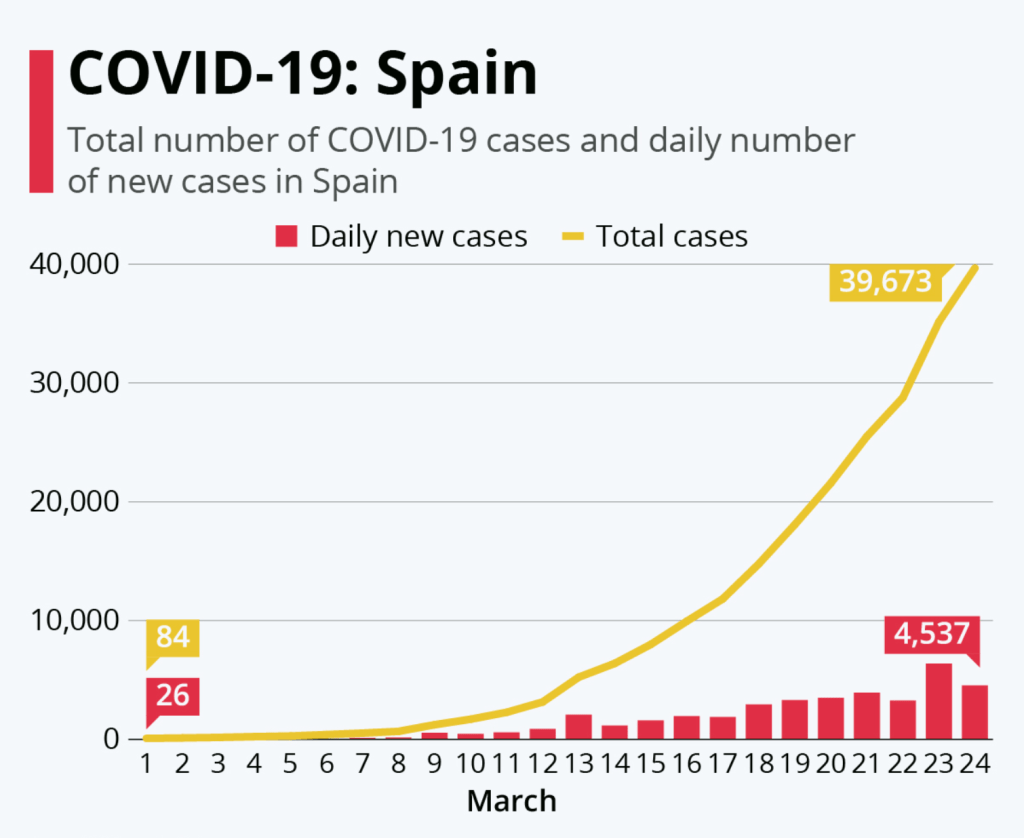
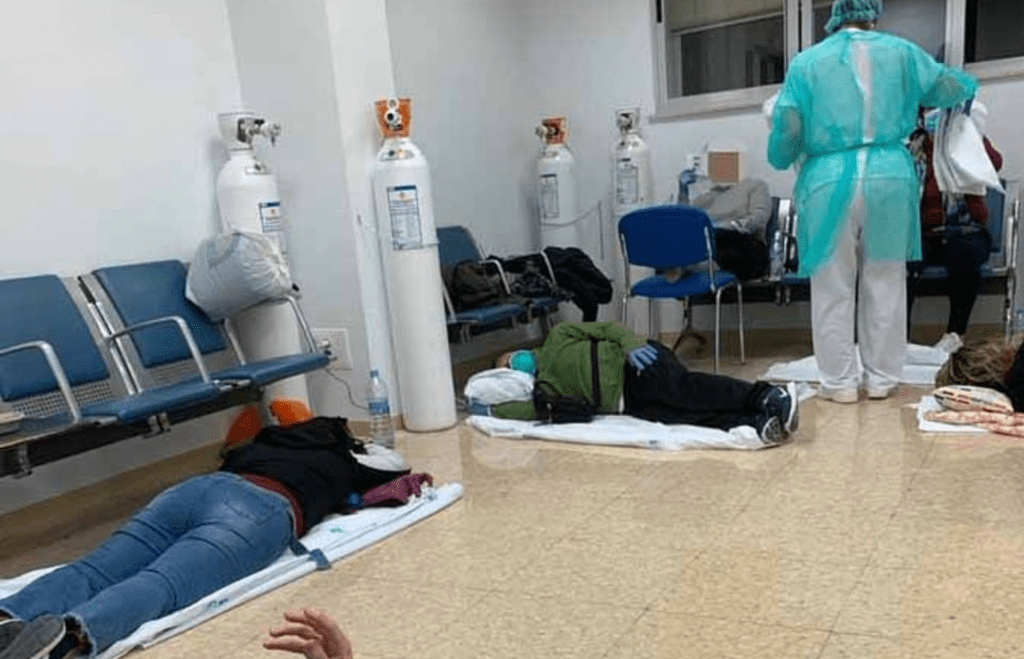
The recent discovery of Coronavirus, or COVID-19, is all anyone is talking about. The news is constantly reporting new updates of the Coronavirus and how we as human beings can help the spreading of this virus. The news has not only reached television broadcast, but it has spread to social media news, radio, etc. The virus is continuing to spread across the world and affecting many people. The visual coverage of the COVID-19 in Spain specifically has been sick people laying on the ground in hospitals because there is simply not enough bed space for patients. They are still treating these patients even though there is not enough room for them in a private room. The death tolls in Spain have doubled in just three days which is something people are concerned with. The main news coverage I have seen regarding the Coronavirus in Spain is focused on Madrid, which is where the big outbreak is happening. Overall, the visual coverage I have taken into account while being in the United States has been charts and graphs representing the death toll and new cases everyday. Personally, I believe they are using these graphs and charts to visually show people the increase of numbers and why it is important to follow the guidelines we are given, such as staying in our homes unless we are in need of food or medical supplies. The coverage of COVID-19 in Europe is focused mainly on Italy and China. I often see and hear news regarding those places in Europe because of the amount of people who have been affected in those areas. There has been a recent decrease in China which is positive news. Coronavirus has taken over all news and journalism in the past few weeks and is all we are hearing about. It continues to spread and get worse, but hopefully with the help of doctors and us as human beings can follow the regulated guidelines to help the stop of this virus.

Spain Hospital
Graph of Coronavirus in Spain (March)

World Press Photo Contest

The photo I chose to write about is “Straight Voice” which was captured by Yasuyoshi Chiba. The main subject of the photo is the boy in the middle with his hand held proudly over his heart. This is a story in itself because you see how proud this boy is to be a part of this protest. His eyes can also tell another story, you can almost see the fear in his eyes. The others surrounding him are looking around wondering what is going to happen next. You can tell the boy in the middle is yelling something with pride. This is a very compelling image because there are many circumstances a viewer can come up with just glancing at the photo. I noticed not one person is smiling in this photo yet everyone looks scared or worried. These children have started a protest about the price of bread tripling. You can gage from the age group that is captured that this is going to be most concerning for them. This leads me to believe that this age group are the ones out working for food to provide for the family, or even themselves. When I first glanced at this photo it almost reminded me of watching a movie when the time just stops in that very moment. I think the image captures a time stopping moment when this boy is proclaiming something important during this protest.

There are so many aspects of this photo, every time I look back at it I find myself looking at something new or looking closer that the facial expressions the crowd has. The crowd itself has a big impact on this photo because the expressions they all have are so different and each person tells their own story during this protest. I read a little about the photographer who captured this moment and he has previously been nominated for the World Press Photo Involvement in 2009, 2012, and 2020. He has traveled the world capturing moments like these and it would be interesting to hear his stories about photography. This photo is nominated for the World Press Photo of the Year. The photo contest is very interesting and something I have not looked at before. I find it interesting that there are so many different categories of photos that can compete in the photo contest. I was browsing through the photos to choose which one spoke to me and it was hard to make a choice because of all the great work submitted. I found myself looking at the pictures and creating a story in my head then I would select the image to read about it. I was usually never really close to the true story, but that is the beauty of photographs. You can come up with a story in your head but the person next to you might come up with something completely different. I really enjoyed looking through all of the photos on the website and found myself going back a few years and looking at older photos that were submitted.

I don’t believe that photojournalism can actually change the world, but more put the world into perspective. The photos captured can show the audience the world we live in today, whether that is good or bad. In my opinion, the main goal of a contest such as World Press Photo is to gain attention through visual contents. Physically looking at something has such a larger impact on society rather than just hearing about it. This contest promotes photographers to travel the world and capture these beautiful moments to share with the rest of the world.

Wikileaks and Julian Assange – “Risk”

“Risk” is a documentary created by Laura Poitras that looks inside the Wikileaks case of Julian Assange. Poitras does a good job by only adding her own thoughts into the film at times, yet it is a respectful approach to the sandal. Therefore, this is a good source to get context and unbiased information due to the lack of contextualizing information which might have been beneficial for the audience. Assange was involved with the Russian government which lead to emails to the Clinton campaign which led to trial. The government could see what Asssange was doing with his Wikileaks behind the scenes. I think that all of the characters in the documentary portray journalists as political and social activists in a way. Journalism always relates back to something political most of the time and this is a case of it. After the movie, my personal opinion of Assange and the Wikileaks case is still confusing to me. I think he should be punished for what has gone one. As for the consequences in the future of journalism, people might not always see the truth behind some journalism because of this event that has occurred.

Memories After 9/11

On Tuesday, September 11th 2001 there was a series of four terrorist attacks on the United States in New York City. Two planes were hijacked by the Islamic terrorist group al-Qaeda and crashed into the North and South towers located at the World Trade Center. The two towers both collapsed causing 2,977 victim fatalities and 25,000 injuries, causing 9/11 to be the single deadliest terrorist attack in human history today. There was a third plane that hit the Pentagon just outside Washington D.C. This terrorist attack took 3.1 million hours of labor to clean up the 1.8 million tons of debris left behind.

Not only was there numerous deaths that happened on 9/11, but many people lost their loved ones that day. It is extremely important to continue sharing personal and human stories of the attacks to keep those who were lost in this attack in our memory. I interviewed three people who all have very different memories about the 9/11 attack. My first interview was with my mother, Katie Downs. Katie had two young children at the age of 3 and 1 in 2001 and a husband who traveled very often. Her memory from 9/11 was sitting around the living room playing with her kids as she heard in the background the television switch to the news channel saying there was a plane crash. She automatically went into a panic because her husband, my father, was on a plane flying into Washington DC at the time. She became worried knowing now that two planes had crashed into the towers and it was a terrorist attack. I asked her what was going through her head and she responded with “fear.” This was such a fearful time for people around the world never realizing something this horrible could happen. This leads me into my second interview with my sister, Sophia Downs, who is 13 years old. Sophia wasn’t alive during the attacks on 9/11, so I asked her what she has heard about the attacks. She said she has learned about 9/11 in school and every year they do a dedication to the attacks and lives who were lost. Sophia said, “It’s really scary to think about someone wanting to hurt this many people.” Young kids who weren’t around for the attacks have an overwhelming feeling of how would people want to do something so significant to a country without guilt. My grandmother was my last interview and she was visiting a friend when the attacks happened. She said she can remember sitting around the television all day just watching updates about what was happening and crying at the TV. She said, “So many beautiful things were destroyed including lives of innocent people. It was one of the most sad and memorable days of my life.” As she was not home during the attacks, she had to get on a plane in a few days to fly home. She said numerous flights were canceled and people canceling their own flights because they didn’t want to get on an airplane after the attack. My grandmother was one of those people who needed some time before getting back onto an airplane, therefore she extended her trip until the air traffic was back on track and she felt at ease. Everyone has a different stories and memories when it comes to looking back on the 9/11 terrorist attacks, but they all lead back to one overall theme which is horrible. This was such a tragic event to happen in our life, but it is important to remain teaching the significance of how the Untied States became stronger as a nation.

September 11th, 2001 is a day American citizens will never forget. There are so many unsolved questions from the people that will never get an answer. My main takeaway from the 9/11 attack is disheartening. After learning and talking about this tragic event for practically my whole life, I still don’t understand why or how something this horrible could happen in our world. I believe it is important to continue teaching and informing young children about this event so the lives of those who were lost are never forgotten.

European Refugee Crisis

The European Refugee crisis was covered by many news sources, including The Washington Post that we covered in class. The Waypoint is a visual journey through the lesbos, which is the gateway to Europe. When you look at the page you see a white arrow pointing to the right. This automatically draws the reader in with curiosity which makes you want to keep clicking on more of the article. There is a feature of even listening when the short clips are playing. This is a very visual way of looking into the European Refugee Crisis, which helps put the audience in the situation where they can grasp an understanding of the true crisis that happened. The information is laid out in a clean form in which the audience can receive the information in small parts so it is not overwhelming.

The short videos will play and go through the journey, then you come across a short reading and are forced to pick your interactive journey. This also helps process the information easier and more concise. When the audience According to TeleSur News, Europe saw almost one million refugees in 2015. It shows real footage of the crisis and exactly what happened during that time. Unlike what really happened during the Refugee Crisis, there is a choice of what the journey looks like for the user. The information really is embedded after the video visuals are played while reading the facts of the crisis. I find this interesting because not usually are we given the opportunity to learn about something like this with such personal clips that make you understand the extremity of what was happening at that time.

I believe this new source is a good example of global compassion discourse that we discussed in class. The media exposes photographs of wars, massacres, and other crimes against violence which is playing a big role in giving publicity to the human suffering that is happening around us. An example we can see of this is when we look at The Washington Post on the European Refugee Crisis. It shows multiple images of what it was like to go through the refugee crisis as if you were living it. The different paths you can take is a personal choice depending on the reader, but it still gives the publicity to human suffering. Today, global compassion discourse frames our thinking about the violence and the many conflicts in our world today. The New York Times also gives an examples of global compassion discourse by having an article published, “Europe’s Refugee Crisis, in Pictures.” This illustrates a perfect example of the global compassion discourse by showing photographs of violence and suffering during the European Refugee Crisis. The article even was awarded a Pulitzer Prize for breaking news photography by four photographers by the names of Mauricio Lima, Sergey Ponomarev, Tyler Hicks, and Daniel Etter.

On the other hand, The List shows a list of the deaths that happened during the refugee that are heartbreaking to read. According to BBC News, the European leaders met to discuss the Refugee Crisis and their initial plan was to create a new border. That was the only plan at the time where that the leaders were discussing to find a solution to the problem they were faced with. On the list of documented deaths, the date, name, age, gender, region of origin, and cause of death are given. This is a visual in itself without any photographs being used because the audience can see how many lives were lost during the Refugee Crisis. This is an example of compassion fatigue that we discussed in class because this source of news does not show any graphics, but numerous names of people who lost their lives during this time.

Compassion fatigue is characterized by a gradual lessening of compassion over time, even though this list does not have any photographs on it does not make it any less important or “news worthy.” There was a great deal of news covered on this topic therefore a large number of reports on suffering might tire out the audience, but this is a different kind of news article that could intrigue many readers. Less people might be interested in looking that this because when you first take a glance it does not seem like much, but when you get into the list you see all of the information that is presented from the refugee crisis.

Design a site like this with WordPress.com
Get started