Peace journalism can be defined as shedding light onto structural and cultural cases regarding violence, which impacts the lives of people facing a conflict area as a part of violence. Peace journalism relates back to peace itself and how we would define that in our lives. Peace Journalism was started in the 1970s by the researcher of peace Johan Galtung. He said there is a bias towards violence especially when covering war and overall it can be avoided. Peace journalism can be reported about any type on conflict in the media such as religious, politics, ethnic, etc. and not just those that involve the violence. Peace journalism is proactive and gives a voice to everyone, then the solution is discussed among them. Whereas War and violence journalism gives a narrative that demonizes, spreads propaganda, reactive, and only focuses on the visible effects of violence.
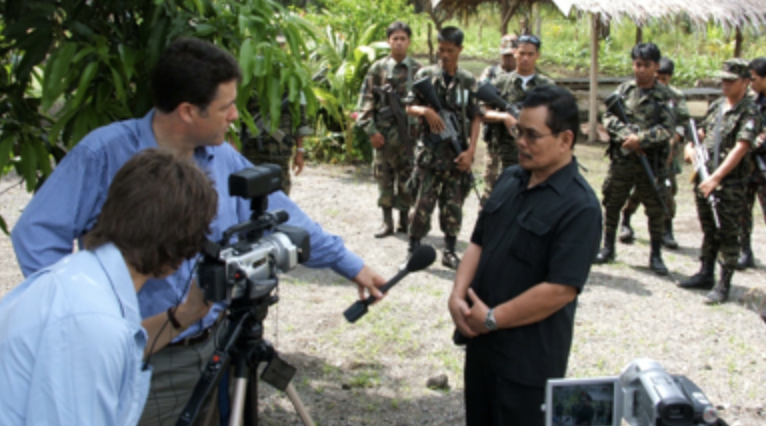
There is a chart in “Media, War & Conflict,” Yakubu Ozohu-Suleiman, last modified March 24, 2014, http://mwc.sagepub.com/contect/7/1/85 that shows the network that is reporting and what they are presenting on which shows a good visual on the peace journalism on networks overall. There are multiple types of violence but Galtung’s violence triangle that breaks it down and has a top tier that consists of direct violence and the invisible part of the triangle has cultural violence and structural violence. The direct violence is a classic form of violence and involved the use of physical force where the structural violence refers to a form of violence where social structure or social institution may harm people by not allowing them to meet their basic needs and example of this would be poverty. Cultural violence has become a very common occurrence in society that they appear almost invisible. Cultural violence refers to the aspects of a culture that can be used to justify the direct or structural violence and an example of this is access to health care. “The Peace Journalism Option”, Lynch, J., 1998. Taplow, UK, Conflict and Peace Forums said, “Peace Journalism is when editors and reporters make choices – of what stories to report, and how to report them – which create opportunities for society at large to consider and to value non-violent responses to conflict.” I think this not only relates to peace journalism, but journalism as a whole. Journalists find different stories to report, but they all report them in different ways which also leads to the result of fake news. Some of the journalists want to report something entertaining which at times bends the truth behind the stories. In this case, peace journalism can result in a great deal of conflicts due to the fact it is widely reported on war and violence which can also upset the audience. Peace journalism is shown through photos and videos through the media and one photo stuck out to me. I attached a photo of a man being interviewed by a reporter with a group of army men standing behind him. The photo explains itself when relating back to peace journalism and is a great visual way to grasp the concept.
 taylor's blog